

There are several techniques that will immediately improve the quality of your coffee, regardless of your brewing method and however fancy (or basic) your coffee machine may be.
Below are some of our top tips for giving your home-brewed coffee an artisanal flavour.
Buy the best coffee you can afford
A cup of coffee is only as good as the beans it’s made from, which is why we make sure that only the best quality, responsibly sourced beans are carefully roasted and expertly blended to create Orville & Rhodes coffee.
The fresher the better
As is the case with most natural produce, fresh coffee always tastes better. That’s why we strive to minimise the time from roasting to point-of-sale, and supply all our coffee in foil-lined bags to lock in the freshness.
Whole bean is best
Whilst some good results can be achieved with pre-ground coffee brewed in a cafetiere, for the ultimate, freshly-ground flavour we recommend investing in a good quality bean-to-cup coffee machine.
Store your coffee properly
In order to keep your coffee fresh for longer and maintain its flavour it’s important to store it properly (pick up a copy of “Top Tips No 2 ~ Coffee Storage” for more detail on this subject).
Grind fresh every time
Studies have shown that coffee can begin to lose its flavour within just 30 minutes of being ground. With this in mind, it’s best to grind your coffee on the spot, just before brewing, to ensure maximum flavour.
How you grind makes a difference
Grind size and consistency also make a big difference to how your coffee tastes. Grinding too coarsely will result in a weak brew, whereas grinding too finely will over-extract the coffee and cause it to taste bitter. If your coffee machine allows you to adjust the grind it’s worth experimenting with some different grind settings to find out what is best suited to your beans.
Brew at the right temperature
The optimal temperature for “drip coffee” machines is between 91°C and 96°C (don’t exceed 96°C as this will “burn” the coffee and impair the flavour). Newer, top-end machines may offer manual temperature adjustment, but older, cheaper models probably won’t.
Use the right water
Another aspect of coffee making that’s often overlooked is the type of water used. There’s lots of science behind getting the ideal balance between hard or soft water but for most casual coffee drinkers, lightly filtered water, either from a water filter jug or a refrigerator filter system, will achieve perfectly good results.
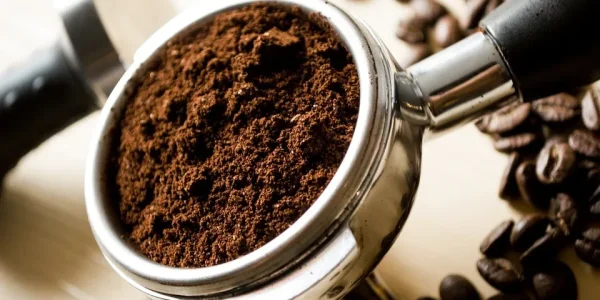
Did you know that how you grind your coffee beans can make a huge difference to the end result? Allow us to explain… SOME GENERAL
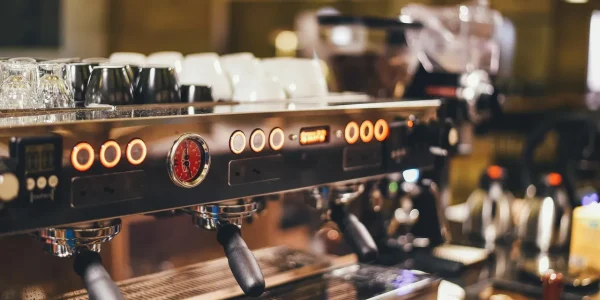
By paying attention to the most vulnerable areas of your coffee machine you needn’t fear the negative effects associated with poor hygiene. Regular maintenance will